What We Heard at Our Presidents' Council: Eight Takeaways on the Path Forward
Seven presidents from Rize partner institutions spent a day comparing notes on what's actually working on their campuses. Here are the takeaways that stood out most.

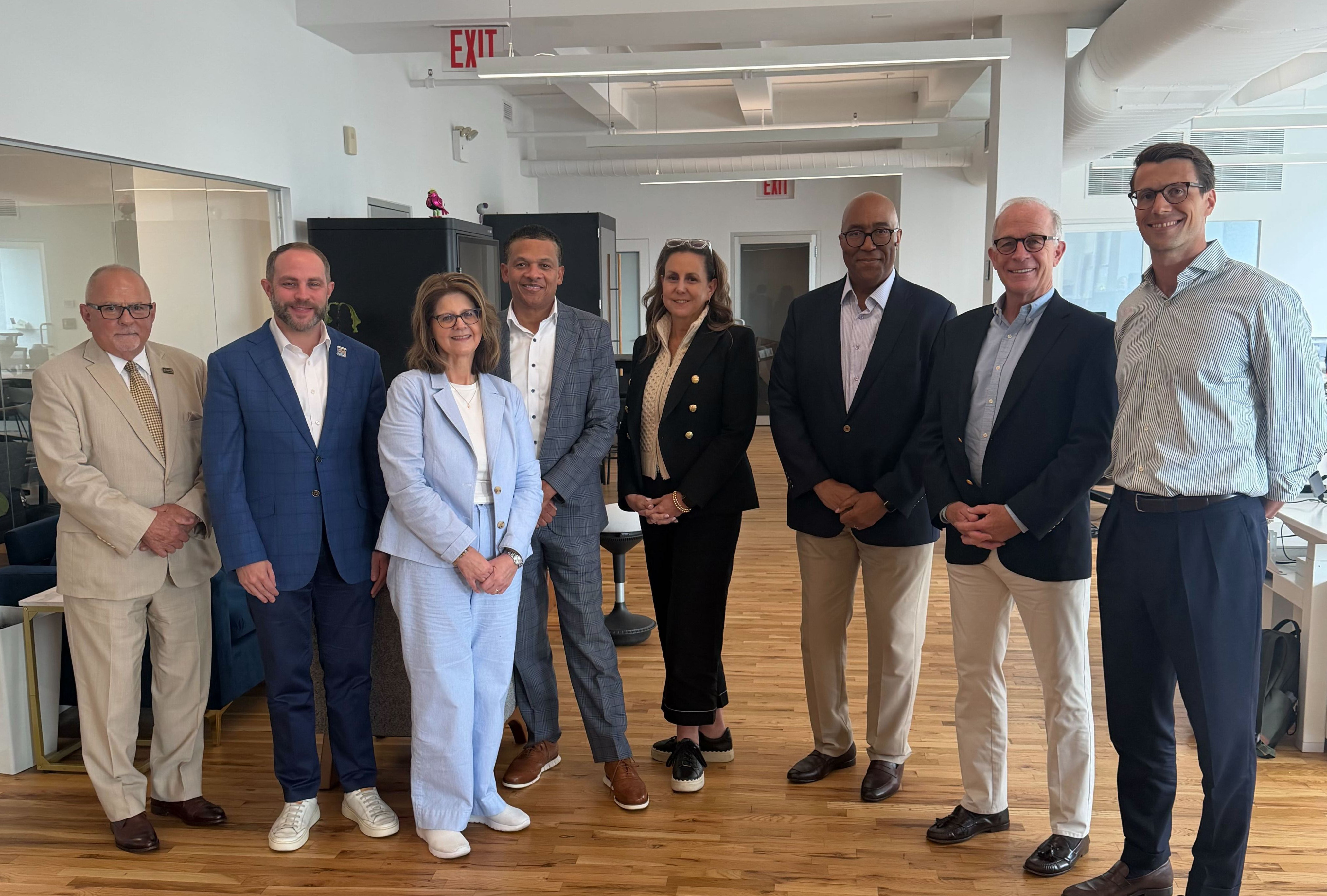
Late last month, we brought together presidents from seven of our partner institutions for a full day of closed-door conversation. No board members in the room, no one pitching anything, just sitting presidents comparing notes on what is actually working at their institutions and what still keeps them up at night.
We came into the day with our own agenda: a look at where small private higher education is headed, a preview of a few tools we are building, and a chance to pressure-test some of our own assumptions against the leaders of institutions living this reality every day. But the most valuable part of the day was listening. Here is what stood out.
As one president who attended put it: "The most beneficial aspect of the event was the ability to hear from other presidents their experiences with Rize and related issues facing their institutions."
1. Students are already on board. The real work is bringing faculty along as partners.
This was the theme presidents returned to most often. Every president in the room said their students already see the value in expanded, career-focused program offerings from Rize. The vast majority of students enjoy the classes quite highly. The harder, more important work is making sure faculty feel like partners in that shift rather than bystanders to it. Several presidents pointed to a real structural pressure behind this: faculty roles have evolved significantly over the past two decades, and support structures haven't always kept pace with those changes. The presidents who've made the most progress didn't try to move around faculty. They found ways to bring faculty into the conversation early and transparently, with real input into how new programs and transformational change take shape on their campus.
This year, we plan on expanding our own efforts to bring faculty into the fold earlier and more constructively. We want them to feel like our partners, not bystanders, and the Presidents gave us some constructive and actionable suggestions for how to do that.
2. The right sequencing and the right faculty voice can change everything.
Two approaches came up that presidents kept returning to. One institution secured a nod from its regional accreditor early in the program adoption process, then let its enrollment and marketing team run with a self-branded campaign under the institution's own name, driven by a single staff member. It gave the effort momentum before it ever reached a faculty vote. Another president took a different but complementary approach: rather than relying on the administration to make the case, he identified a respected, tenured faculty member to serve as the public face of the change, someone faculty colleagues already trusted. Presidents agreed the second approach may be even more durable than the first, since lasting buy-in tends to come from faculty hearing it from one of their own.
3. How you frame the choice for your board matters as much as the choice itself.
One president described presenting the decision to his board in plain terms: expand the academic portfolio through a partnership like this, or manage the same budget pressure through the more familiar levers: cutting programs, raising the discount rate, or selling off property. Framed that way, the path forward stopped being a debate about whether to change and became a conversation about which kind of change the institution wanted to make. For most institutions, change is inevitable. Presidents agreed this reframing, more than any single data point, is often what moves a board from hesitant to supportive.
4. Radical transparency, paired with the right incentives, is what actually moves people.
Two ideas came up separately and landed as a single playbook by the end of the day. The first: years of budget data shared openly with faculty, revisited in several town halls a year, covering the good, the bad, and the ugly. The logic is simple. People respond to being told the truth, even by a president whose instinct is to be the campus's chief cheerleader. The second: small, specific incentives tied to concrete outcomes, rather than vague asks for cooperation. One president's plan was to let deans earn a modest bonus for hitting a defined KPI within a semester. Presidents were candid that incentives alone can backfire if trust hasn't already been built, which is exactly why the two ideas work better together than apart.
5. Being small is an advantage. It isn’t a strategy on its own.
On competing with large public universities, one framing landed with the whole room: at a massive state school, you're one of many. At a small college, you're one of few. But presidents were quick to push past that comparison rather than stop at it. Being smaller and more focused is real leverage, but it only matters if it translates into something a student, a family, or an employer can actually point to. Every hotel offers a bed and a pillow. The gap between a roadside motel and the Ritz isn't size, it's what you get once you're inside the room. The consensus was that small institutions win not by claiming they're different because they're small, but by naming the specific, tangible things a student gets at their institution that they cannot get anywhere else, especially at the big publics, and building the case around that.
6. Adult and online learners are a real opportunity, but for most institutions they should not be relied upon to subsidize the traditional residential campus.
For institutions where adult learners already make up a significant share of enrollment, the guidance was consistent: keep that revenue stream distinct from traditional undergraduate funding rather than leaning on it to prop things up. Margins are thin once shared with marketing partners, and online programs often turn out to be more of a local game than a national one. Treat it as additive, not foundational.
7. Presidents are asking for sharper data, and that shaped what we're building next.
Across the day, a consistent theme surfaced: presidents want better visibility into how their institution stacks up against peers, and better tools for projecting more than a year out. That fed directly into two things we previewed at the council: a lightweight benchmarking dashboard and a projection exercise designed to give new presidents and CFOs a clear-eyed view of their own institution's numbers before they're deep into the job. Both are shaped directly by what partners told us they needed, and both are in active development.
8. More visibility into the student experience.
In the final session of the day, we gave a quick walkthrough of the Rize platform and some updates to MyCareer, our career navigation suite embedded within the overall Rize platform designed to help students find the right path after graduation. Upon seeing the demo, everyone in the room lit up, and one president remarked, "Why haven't I seen this before? This is incredible." It became clear that while we had initially assumed something like this wouldn't resonate with a room full of presidents whose day to day is centered around tough conversations and hard decisions, it turned out to be one of the best parts of the day, and everyone in the room agreed. It became abundantly clear that it's imperative we get better at sharing what we're building for students and schools on a much more frequent cadence.
Where this leaves us
The thread running through all seven conversations was the same. Small private colleges aren't struggling to convince students that shared, online career-focused curriculum, when done well, is worth their time. They're working through how to bring faculty, boards, and leadership into alignment around a shared direction, using the data, the incentives, and the sequencing that actually work on their own campus.
One president summed up why the day mattered: "The sessions on where small private higher education is headed, and how we differentiate ourselves as that future arrives, gave me a clearer framework for the conversations I need to have with my own faculty, board, and leadership team. I left with a sharper sense of both the urgency and the opportunity in front of us."
Another put it this way: "Rarely do you have the opportunity for a group of presidents to step away from the urgency of today to think thoughtfully and strategically about the future together, while continuing to point to our north star of student success."
That's the conversation we set out to have this year, and it's the one we intend to keep having. If these takeaways resonate with what you're navigating on your own campus, we'd welcome the chance to talk.
Schedule a call with Rize to see how we can help you chart the same path forward.
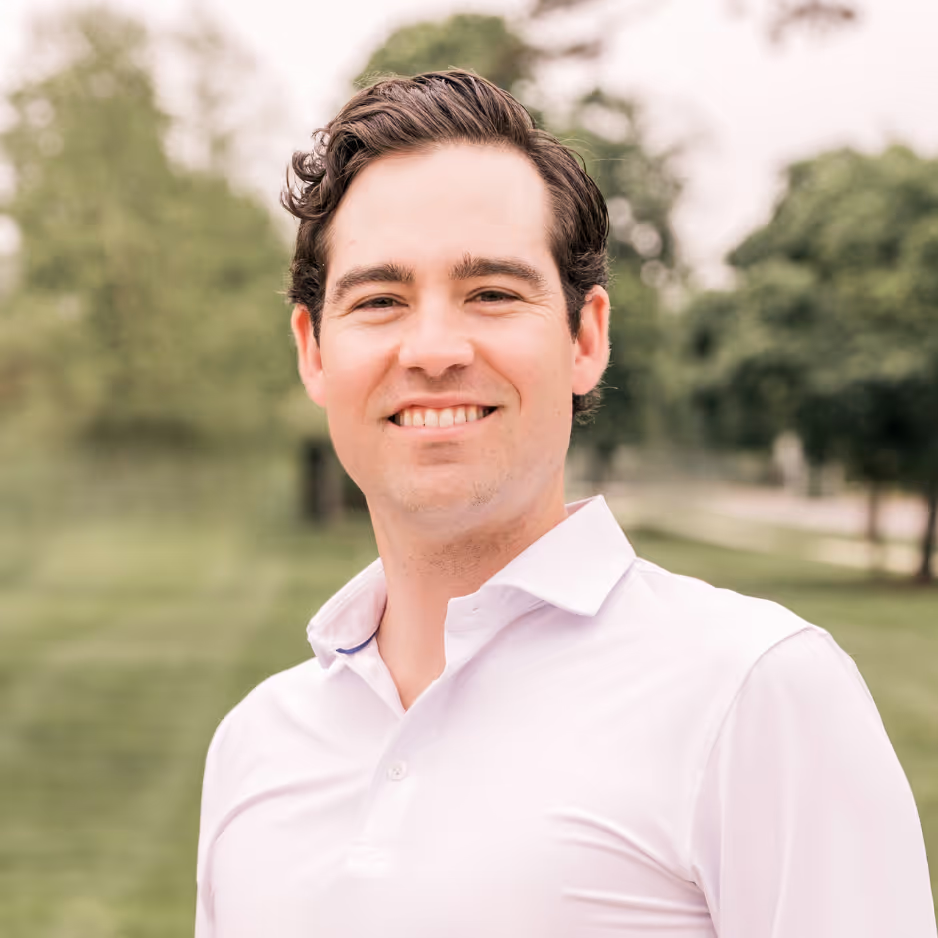
Kevin is passionate about working at Rize because he believes students should not have to choose between a rich residential college experience and earning a degree that equips them with essential career skills. Outside of work, he enjoys golfing, skiing, listening to podcasts while walking around NYC, and spending summers with family and friends in Cape Cod.
What We Heard at Our Presidents' Council: Eight Takeaways on the Path Forward
Seven presidents from Rize partner institutions spent a day comparing notes on what's actually working on their campuses. Here are the takeaways that stood out most.
Late last month, we brought together presidents from seven of our partner institutions for a full day of closed-door conversation. No board members in the room, no one pitching anything, just sitting presidents comparing notes on what is actually working at their institutions and what still keeps them up at night.
We came into the day with our own agenda: a look at where small private higher education is headed, a preview of a few tools we are building, and a chance to pressure-test some of our own assumptions against the leaders of institutions living this reality every day. But the most valuable part of the day was listening. Here is what stood out.
As one president who attended put it: "The most beneficial aspect of the event was the ability to hear from other presidents their experiences with Rize and related issues facing their institutions."
1. Students are already on board. The real work is bringing faculty along as partners.
This was the theme presidents returned to most often. Every president in the room said their students already see the value in expanded, career-focused program offerings from Rize. The vast majority of students enjoy the classes quite highly. The harder, more important work is making sure faculty feel like partners in that shift rather than bystanders to it. Several presidents pointed to a real structural pressure behind this: faculty roles have evolved significantly over the past two decades, and support structures haven't always kept pace with those changes. The presidents who've made the most progress didn't try to move around faculty. They found ways to bring faculty into the conversation early and transparently, with real input into how new programs and transformational change take shape on their campus.
This year, we plan on expanding our own efforts to bring faculty into the fold earlier and more constructively. We want them to feel like our partners, not bystanders, and the Presidents gave us some constructive and actionable suggestions for how to do that.
2. The right sequencing and the right faculty voice can change everything.
Two approaches came up that presidents kept returning to. One institution secured a nod from its regional accreditor early in the program adoption process, then let its enrollment and marketing team run with a self-branded campaign under the institution's own name, driven by a single staff member. It gave the effort momentum before it ever reached a faculty vote. Another president took a different but complementary approach: rather than relying on the administration to make the case, he identified a respected, tenured faculty member to serve as the public face of the change, someone faculty colleagues already trusted. Presidents agreed the second approach may be even more durable than the first, since lasting buy-in tends to come from faculty hearing it from one of their own.
3. How you frame the choice for your board matters as much as the choice itself.
One president described presenting the decision to his board in plain terms: expand the academic portfolio through a partnership like this, or manage the same budget pressure through the more familiar levers: cutting programs, raising the discount rate, or selling off property. Framed that way, the path forward stopped being a debate about whether to change and became a conversation about which kind of change the institution wanted to make. For most institutions, change is inevitable. Presidents agreed this reframing, more than any single data point, is often what moves a board from hesitant to supportive.
4. Radical transparency, paired with the right incentives, is what actually moves people.
Two ideas came up separately and landed as a single playbook by the end of the day. The first: years of budget data shared openly with faculty, revisited in several town halls a year, covering the good, the bad, and the ugly. The logic is simple. People respond to being told the truth, even by a president whose instinct is to be the campus's chief cheerleader. The second: small, specific incentives tied to concrete outcomes, rather than vague asks for cooperation. One president's plan was to let deans earn a modest bonus for hitting a defined KPI within a semester. Presidents were candid that incentives alone can backfire if trust hasn't already been built, which is exactly why the two ideas work better together than apart.
5. Being small is an advantage. It isn’t a strategy on its own.
On competing with large public universities, one framing landed with the whole room: at a massive state school, you're one of many. At a small college, you're one of few. But presidents were quick to push past that comparison rather than stop at it. Being smaller and more focused is real leverage, but it only matters if it translates into something a student, a family, or an employer can actually point to. Every hotel offers a bed and a pillow. The gap between a roadside motel and the Ritz isn't size, it's what you get once you're inside the room. The consensus was that small institutions win not by claiming they're different because they're small, but by naming the specific, tangible things a student gets at their institution that they cannot get anywhere else, especially at the big publics, and building the case around that.
6. Adult and online learners are a real opportunity, but for most institutions they should not be relied upon to subsidize the traditional residential campus.
For institutions where adult learners already make up a significant share of enrollment, the guidance was consistent: keep that revenue stream distinct from traditional undergraduate funding rather than leaning on it to prop things up. Margins are thin once shared with marketing partners, and online programs often turn out to be more of a local game than a national one. Treat it as additive, not foundational.
7. Presidents are asking for sharper data, and that shaped what we're building next.
Across the day, a consistent theme surfaced: presidents want better visibility into how their institution stacks up against peers, and better tools for projecting more than a year out. That fed directly into two things we previewed at the council: a lightweight benchmarking dashboard and a projection exercise designed to give new presidents and CFOs a clear-eyed view of their own institution's numbers before they're deep into the job. Both are shaped directly by what partners told us they needed, and both are in active development.
8. More visibility into the student experience.
In the final session of the day, we gave a quick walkthrough of the Rize platform and some updates to MyCareer, our career navigation suite embedded within the overall Rize platform designed to help students find the right path after graduation. Upon seeing the demo, everyone in the room lit up, and one president remarked, "Why haven't I seen this before? This is incredible." It became clear that while we had initially assumed something like this wouldn't resonate with a room full of presidents whose day to day is centered around tough conversations and hard decisions, it turned out to be one of the best parts of the day, and everyone in the room agreed. It became abundantly clear that it's imperative we get better at sharing what we're building for students and schools on a much more frequent cadence.
Where this leaves us
The thread running through all seven conversations was the same. Small private colleges aren't struggling to convince students that shared, online career-focused curriculum, when done well, is worth their time. They're working through how to bring faculty, boards, and leadership into alignment around a shared direction, using the data, the incentives, and the sequencing that actually work on their own campus.
One president summed up why the day mattered: "The sessions on where small private higher education is headed, and how we differentiate ourselves as that future arrives, gave me a clearer framework for the conversations I need to have with my own faculty, board, and leadership team. I left with a sharper sense of both the urgency and the opportunity in front of us."
Another put it this way: "Rarely do you have the opportunity for a group of presidents to step away from the urgency of today to think thoughtfully and strategically about the future together, while continuing to point to our north star of student success."
That's the conversation we set out to have this year, and it's the one we intend to keep having. If these takeaways resonate with what you're navigating on your own campus, we'd welcome the chance to talk.
Schedule a call with Rize to see how we can help you chart the same path forward.
Kevin is passionate about working at Rize because he believes students should not have to choose between a rich residential college experience and earning a degree that equips them with essential career skills. Outside of work, he enjoys golfing, skiing, listening to podcasts while walking around NYC, and spending summers with family and friends in Cape Cod.